
 Ingles



Finding a cap you enjoy wearing depends on much more than face shape. The crown height, depth, structure, visor, size, color, and even how you place it can completely change the result.
This guide is not here to tell you which cap you “should” wear. We use face shape as one more reference to understand proportions and discover what you can try for the effect you want.
Look for a proportion you like when you see yourself. Your personal taste always has the final say.
Before looking at your face: what feels off when you put on a cap?
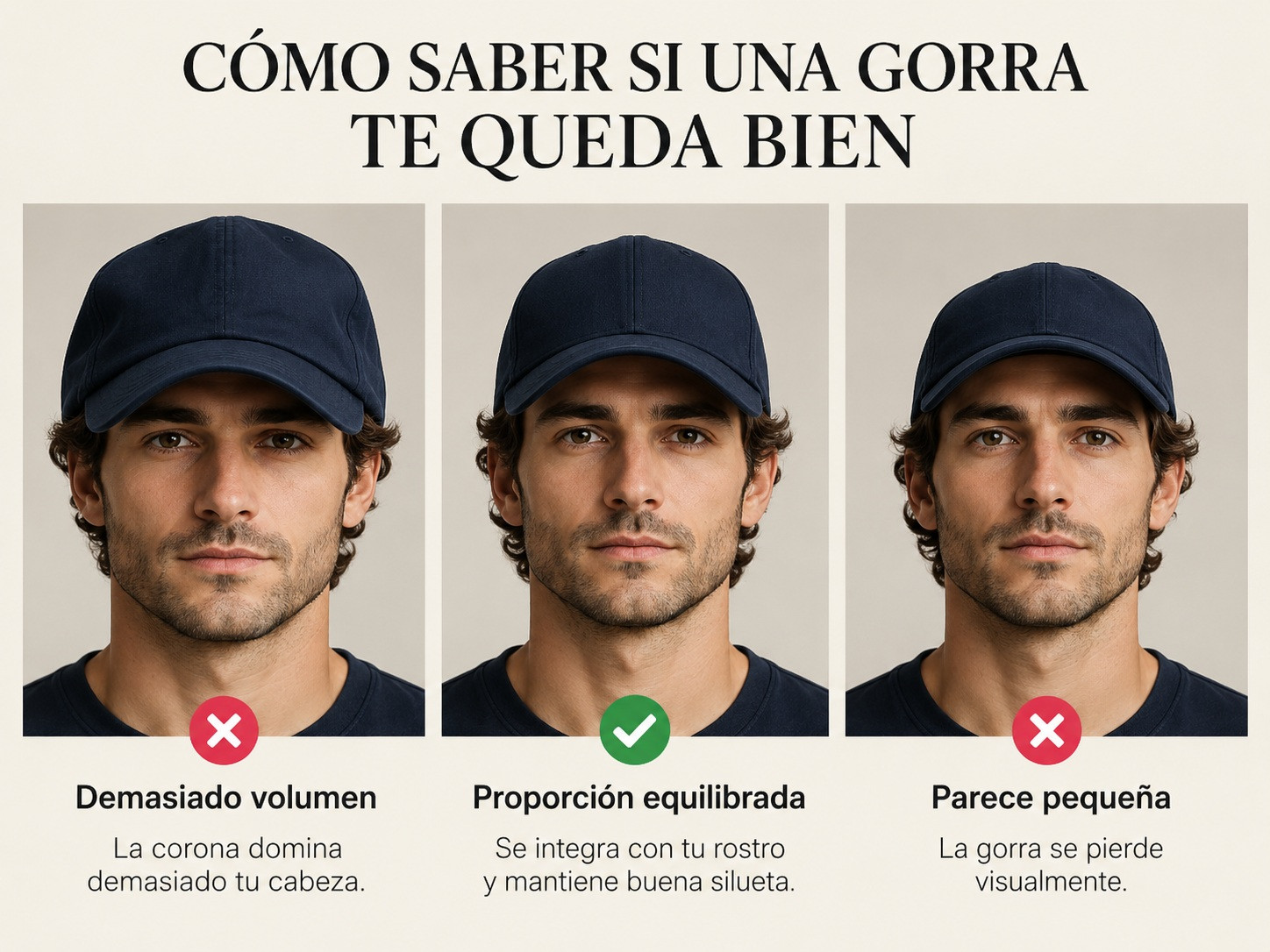
Sometimes we think a cap simply “does not suit us,” but it is hard to explain why. The first step is to identify what visual feeling you are getting.
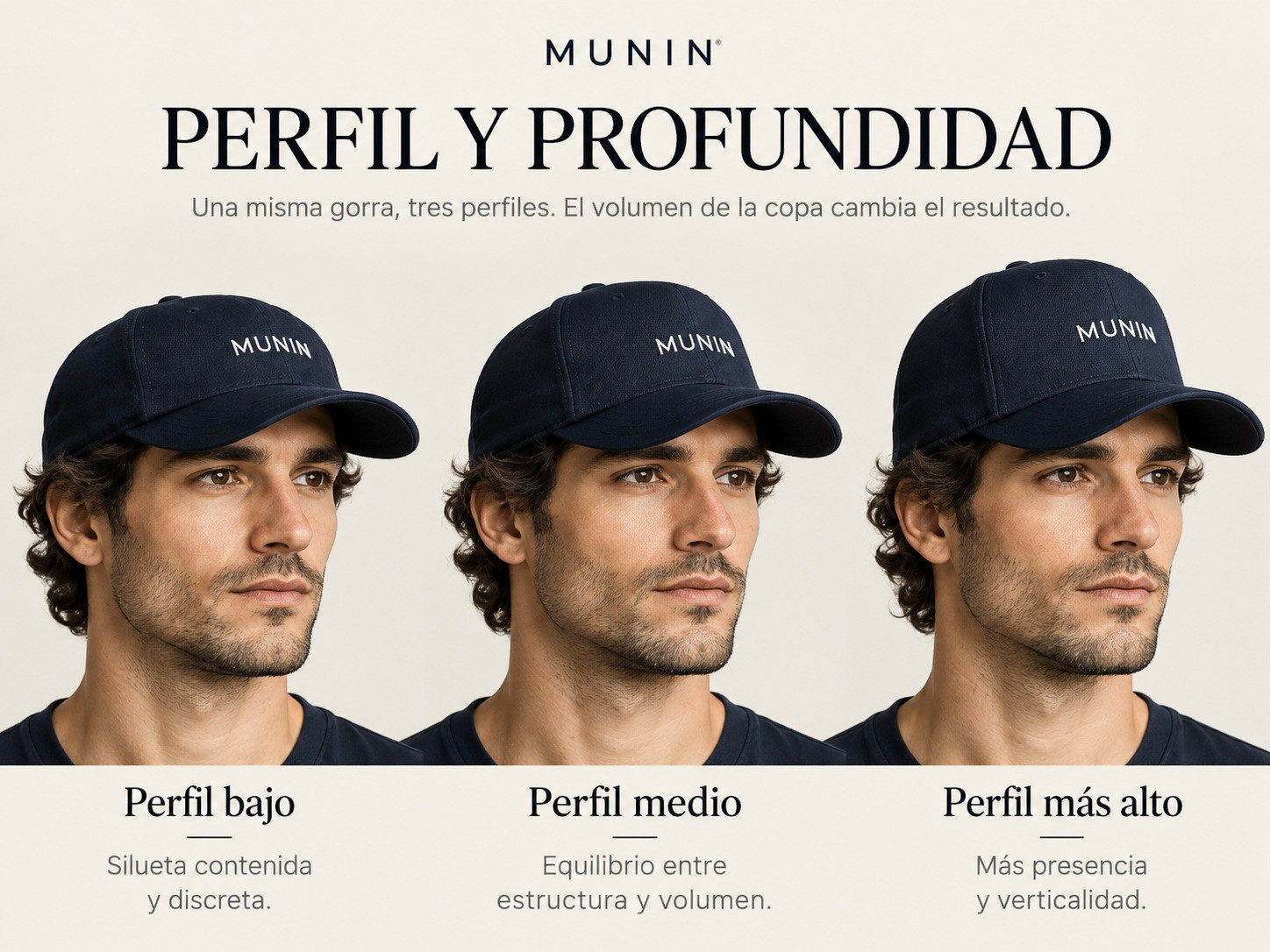
Profile and depth: how much volume you want on your head
Two caps in the same size can look completely different. One reason is their profile: how much volume and height the crown creates.
Low profile: a more contained silhouette.
Medium profile: balance between presence and volume.
High profile: more verticality and presence.
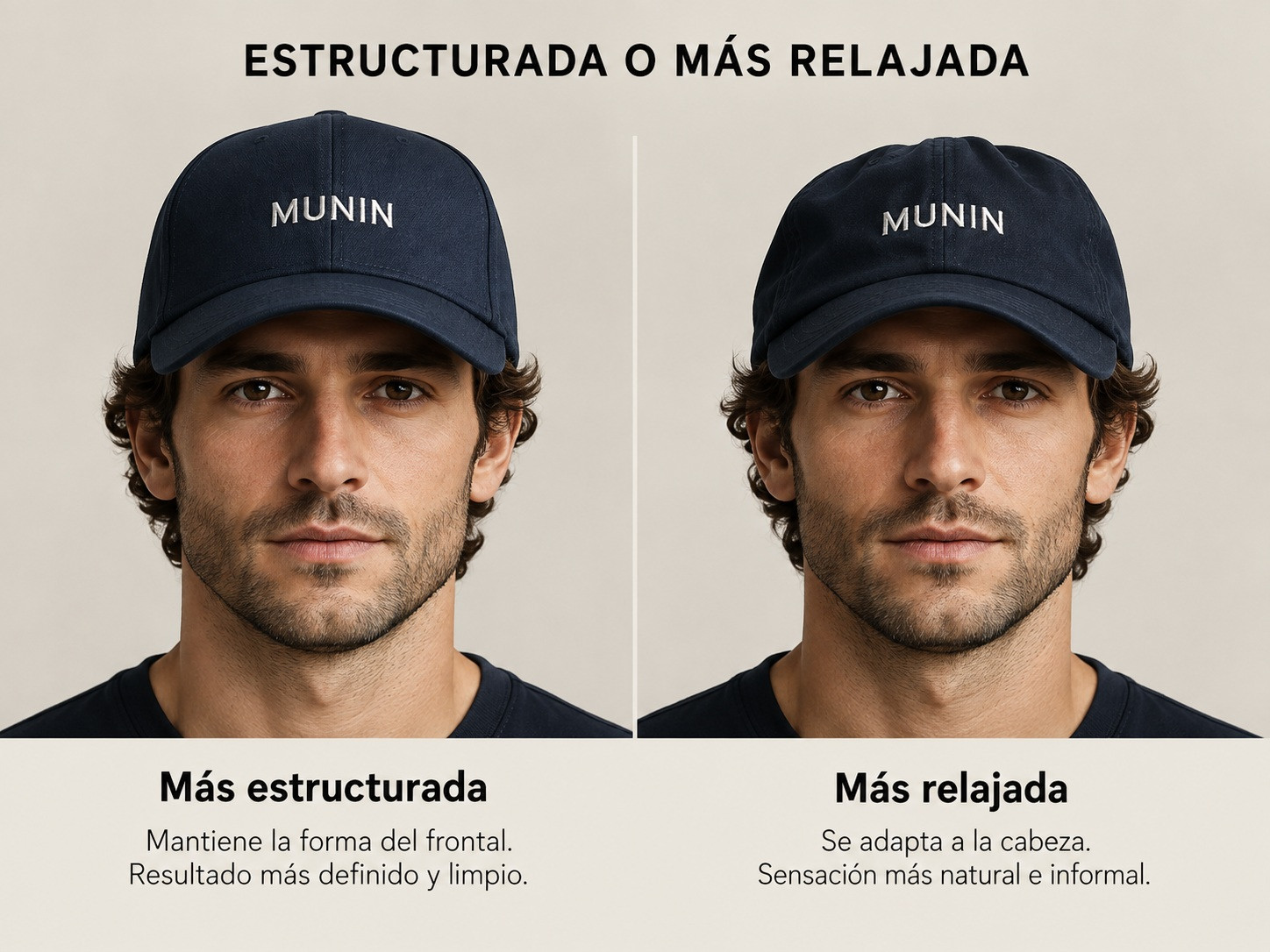
Structure also changes the silhouette
The front can hold a defined shape or adapt much more naturally to the head.
Curved, flat, or in-between visor
It seems like a detail, but the visor greatly changes how the cap frames the face.
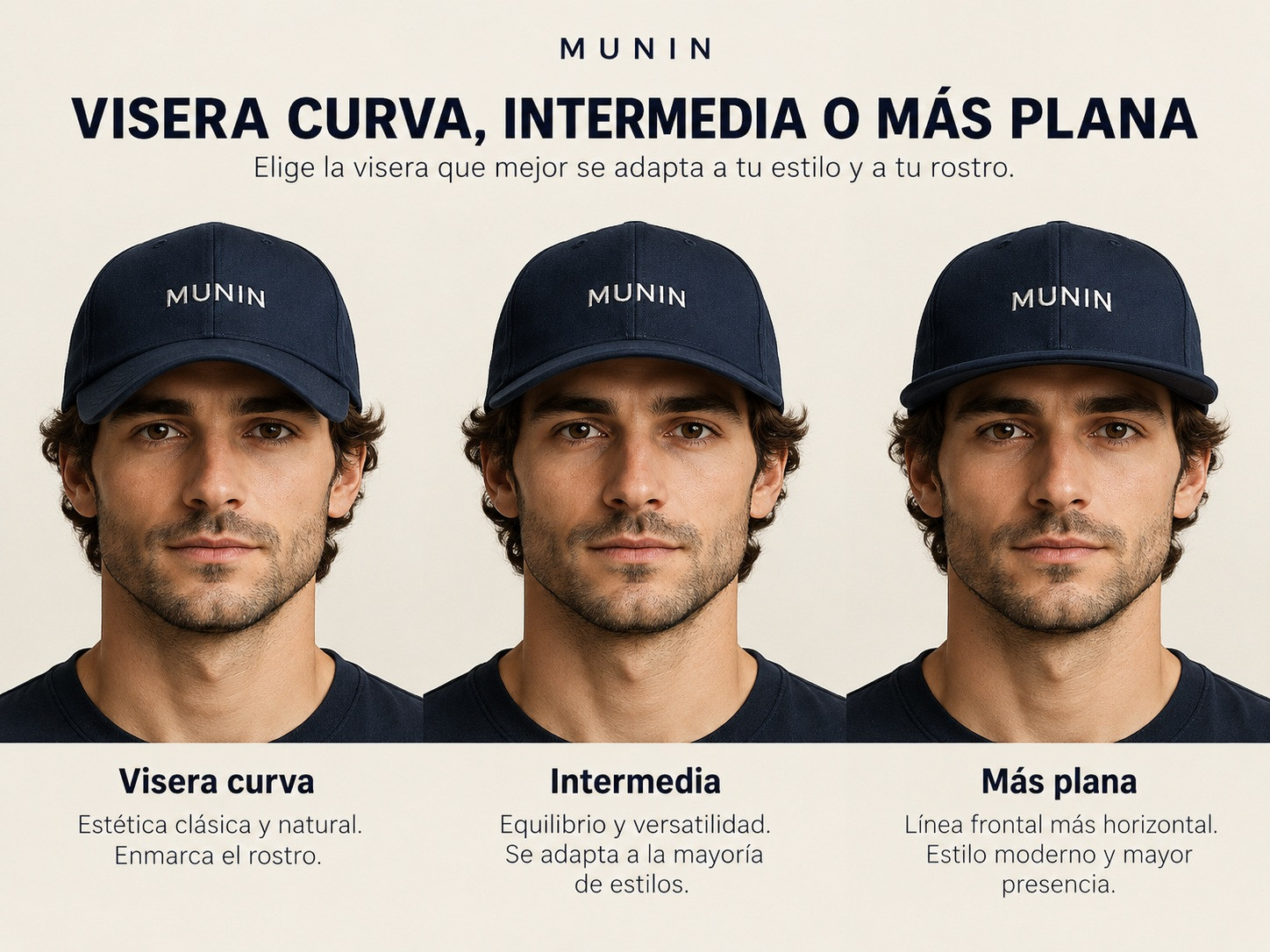
Current MUNIN caps use a curved visor, although the visual feel differs quite a bit between a minimalist collection and one with heritage inspiration. You can explore MUNIN caps to compare both directions.
Which cap can you try based on your face shape?
Face shape can help you understand proportions, but it is not a rule. Very few people fit neatly into one category. Use these examples to discover visual effects you can try.
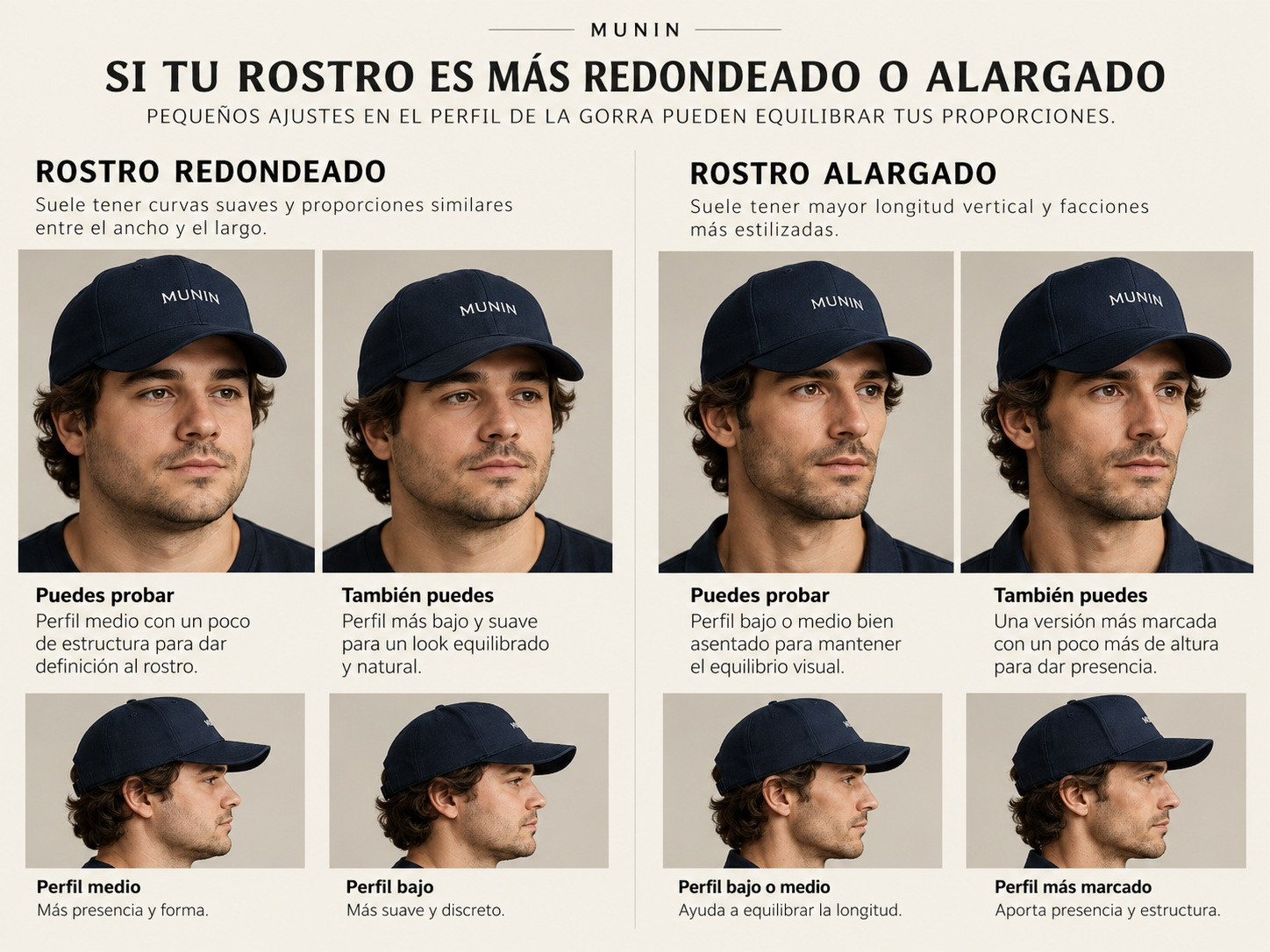
Rounder face
If you want contrast with softer facial lines, try a crown with some height, medium profile, a slightly more defined front, or a moderately curved visor.
If you prefer a compact, relaxed look, a lower profile can work too. Both directions are valid.
More elongated face
To reduce a sense of verticality, try a low or medium profile, a more seated position, and a visor with some curve.
If you want a more vertical, bold silhouette, a crown with more presence can do the opposite.
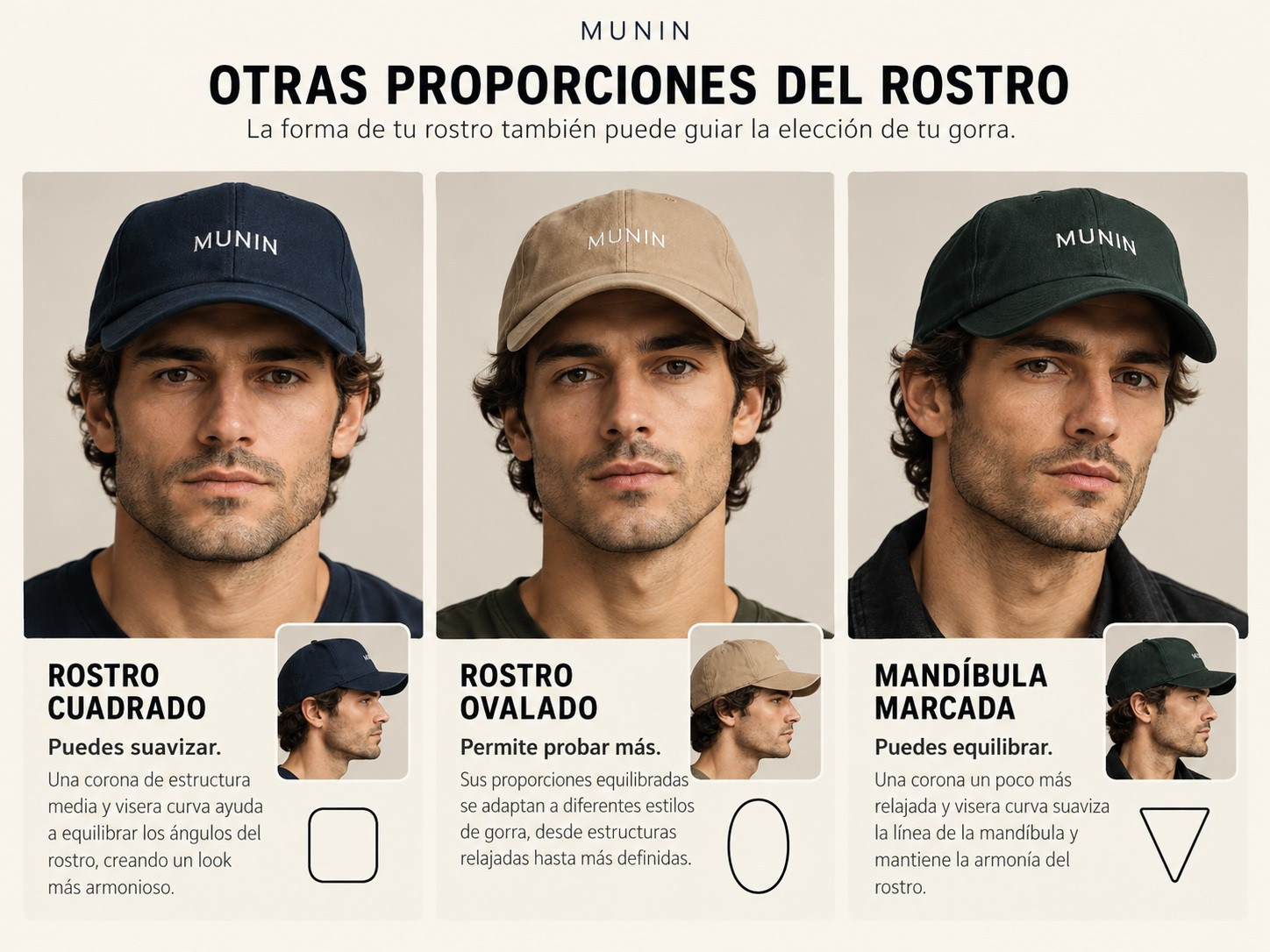
Face with squarer lines
A curved visor and more relaxed construction can visually soften lines. A structured build can reinforce a more geometric look.
More oval face
Often allows experimenting with different heights and curves without a strong width-to-length difference. Here personal style matters even more.
Stronger jawline
To visually balance the lower face, try more presence in the crown. If you want the cap to blend in more, choose a more contained profile.
What if your face does not fit any shape?
That is completely normal. You may have a strong jaw and elongated face, wide cheekbones and soft lines, or any mix in between.
Then return to the most useful questions: Do I want more or less height? Do I prefer a defined or relaxed front? Do I like how the visor frames my face?
How you wear the cap also changes the result
You can wear the same cap and get different feels by shifting its position a few millimeters.
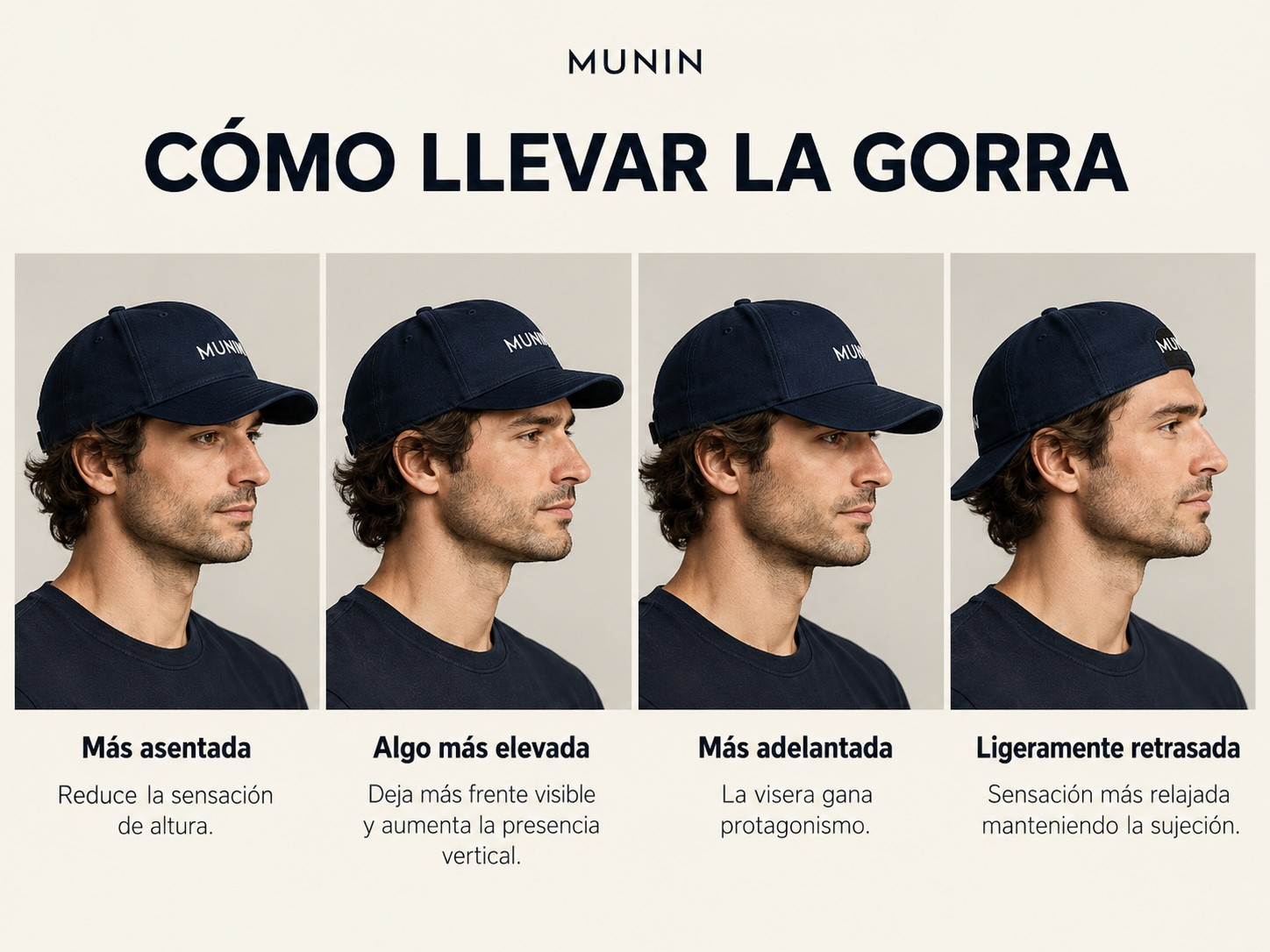
If you like the shape but still feel pressure, looseness, or odd depth, see our guide on how to adjust a cap correctly for the perfect fit .
Style and size are not the same thing
A cap can have a shape you love and still be poorly adjusted.
Before ruling out a model for looks, check that it stays stable, comfortable, and without pressure points.
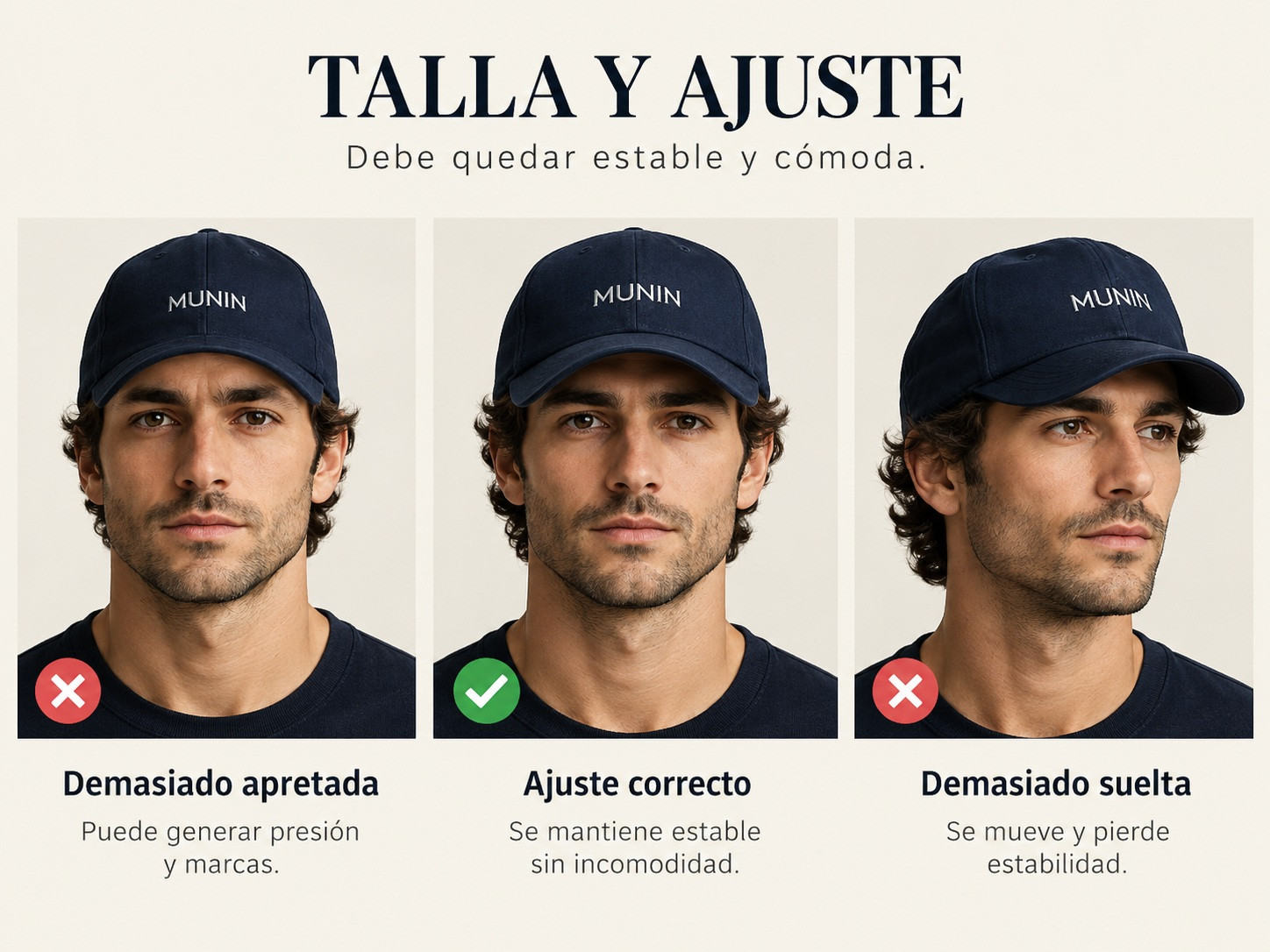
Color changes how prominent the cap is
The choice does not end with shape. Color can make the cap blend almost fully into an outfit or become one of its focal points.
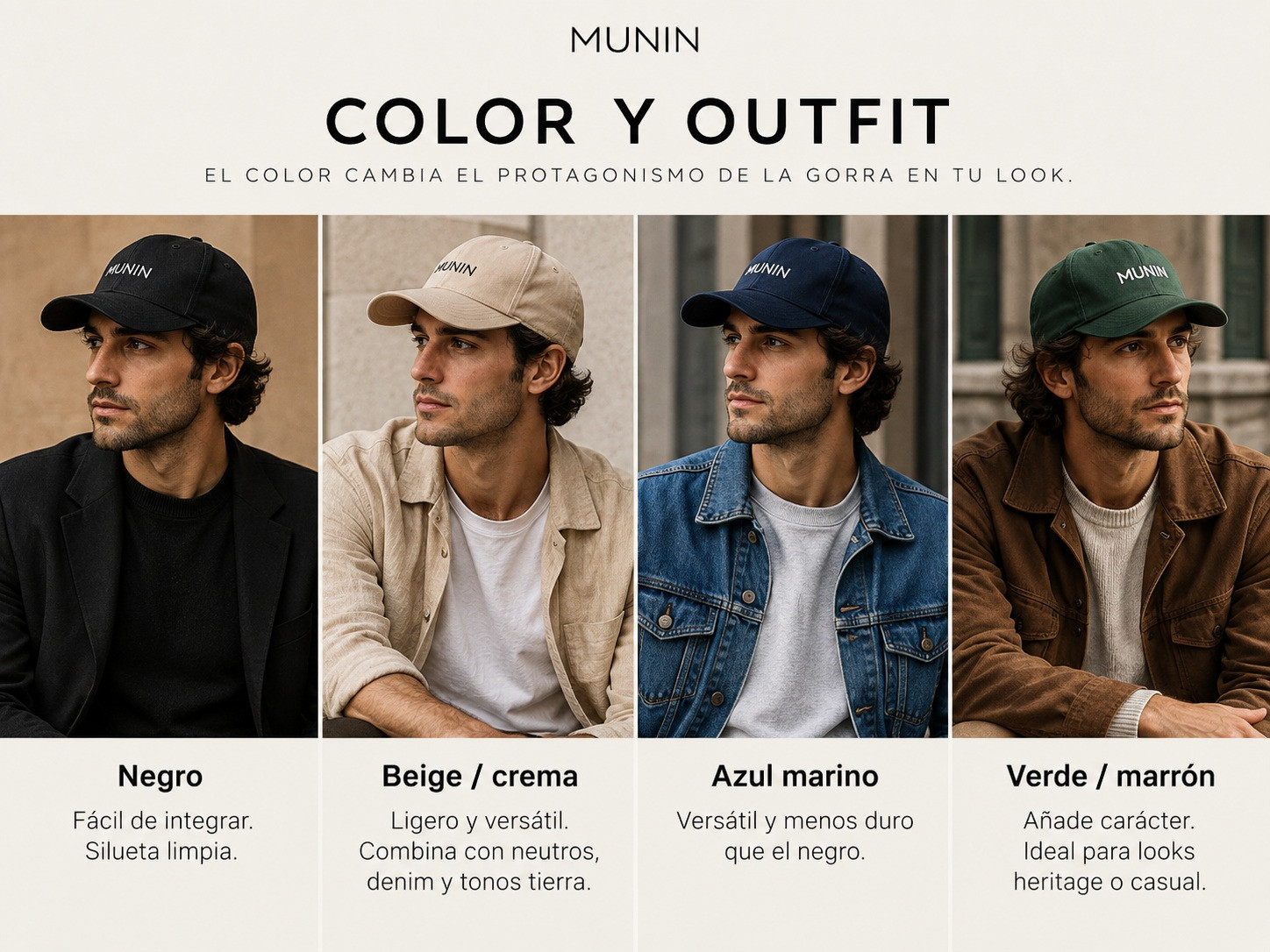
Do not choose a cap completely apart from the outfit
The same silhouette can feel completely different depending on colors, fabrics, and pieces you pair it with.
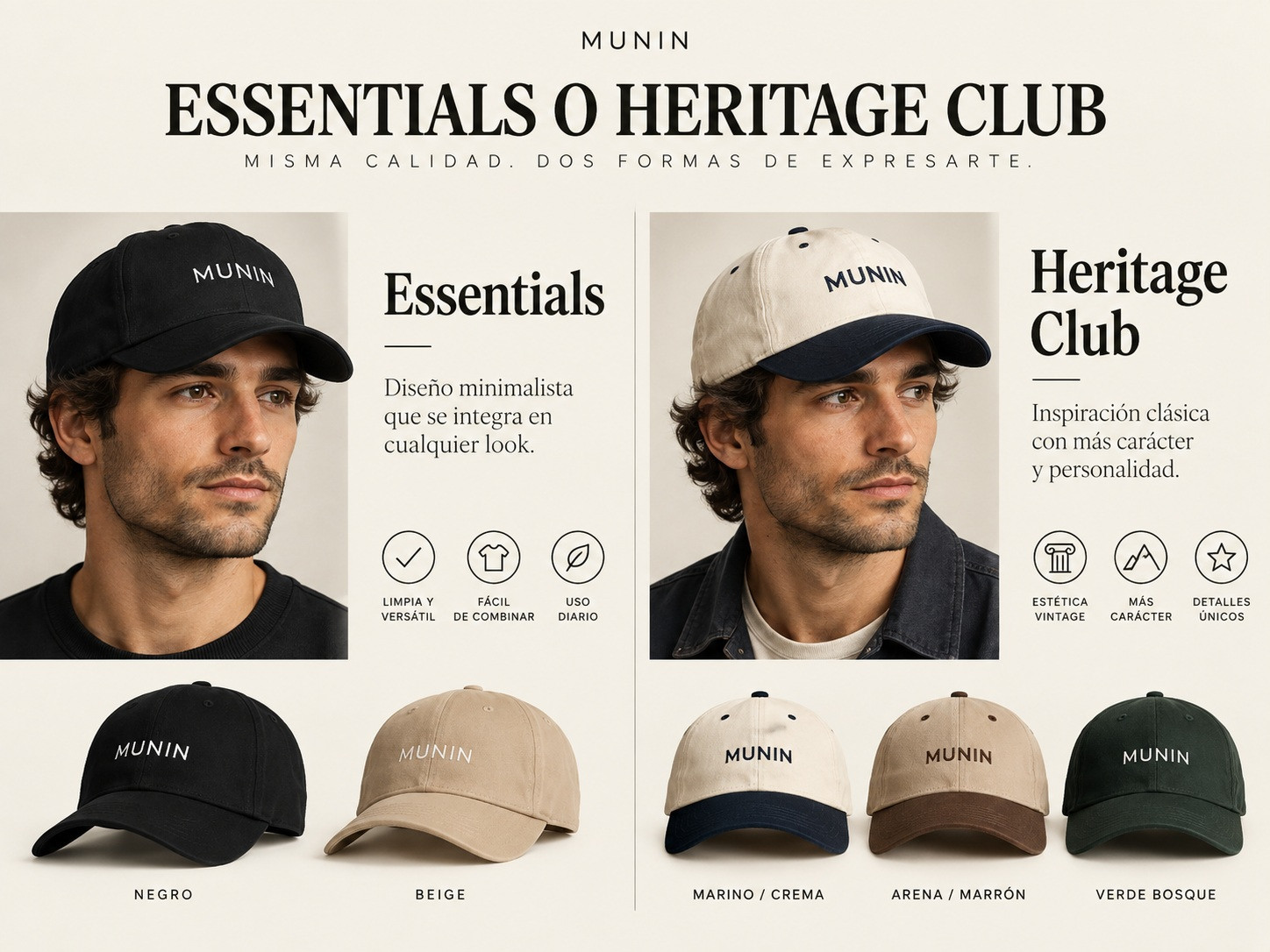
Essentials
A clean, minimalist direction. Black or beige, few competing visual elements, and a cap meant to integrate easily into the look.
Heritage Club
More contrast and classic inspiration. Navy, cream, sand, brown, and green tones to add character without overloading the look.
So, how do I know which cap suits me?
Fit should give you comfort.
Your taste decides the rest.
Once you find yours, take care of it
Finding a cap you truly enjoy wearing also makes it worth adjusting correctly and keeping in good condition.
Frequently asked questions about choosing a cap
What type of cap suits a round face?
If you want contrast with rounded facial lines, try a cap with some height, medium profile, and some front structure. A moderately curved visor also changes how the face is framed. It is not a rule: if you prefer a compact look, low profiles work too.
Which cap can I try if I have an elongated face?
A low or medium profile and a well-seated cap can reduce the sense of verticality. You can also try a curved visor. If, on the contrary, you want to emphasize a more vertical silhouette, a crown with more presence can produce exactly that effect.
Is a curved or flat visor cap better?
It depends on the result you want. A curved visor wraps the face more and often looks classic. A flatter visor creates a stronger front line and gives the cap more presence.
How do I know if a cap is too big for me?
See if it moves easily, shifts when you walk, or sits too low. If adjusting the closure does not fix it comfortably, crown depth or construction may also matter.
Should the cap cover the entire forehead?
There is no exact position that works for everyone. The cap should feel stable and comfortable. You can vary depth and position slightly until you like how much forehead shows.
Which cap color goes with the most outfits?
Black, beige, and navy are easy to integrate into many wardrobes. If you want the cap to stand out more, try greens, browns, contrasts, or two-tone combinations.
You know what to look for
Profile, depth, structure, visor, proportion, fit, color, and style. You do not need a formula: try, compare, and keep the one you recognize when you look in the mirror.
Discover MUNIN caps → More Headwear guides- today
- label Headwear
- favorite 0 likes
- remove_red_eye 52 views
- comment 0 comments
Comments (0)